Приказивање постова са ознаком england. Прикажи све постове

среда, 6. април 2016.

MUZIKA ZA VEČNOST - TEGET „KRALJICA”


Koji nosač zvuka sačuvati za večnost?

To svakako ne može biti jedan, ali može biti „jedan od”. Jedan od onih koji su se izlizali kao kasete u vokmenu, diskovi u diskmenu i koji se uvek čuvaju negde na par klikova u mp3 formatu. Nosači zvuka koje uvek možete da slušate, koje znate napamet, uz koje ste odrasli i kojima se uvek možete vratiti.
 
Besmrtne kolekcije.

Poput teget CD-a.

Faza „Kvina” kojoj si skoro, pa bio savremenik. Skoro da možeš da pamtiš koliko su dobar posao odradili u saundtreku za „Gorštaka”. Još jedan epski treš, sa musavim Kristoferom Lamberom i tebi zauvek omiljenim Šonom Konerijem. SF sa primesama magije.

Posebna vrsta magije. Pop magije, prožete procesorima na basu i Fredijevim večnim tenorom. U pomalo glupavom spotu, ali ne mari. Ono što mari je muzika. Melodija. Harmonija. Prožimanje stilova. Uklapanje glasova. Ne tako moćnih kao Fredijevih, ali tome nikada niko nije ni prišao, pa je i to u redu.

A naročito je u redu kada je taj drugi glas neko toliko veliki, da skučenost njegovog baritona uopšte ne smeta. A kako bi, usotalom, jedan Dejvid Bouvi mogao da smeta? U tako sjajnom tekstu, tako sjajnoj numeri kao što je to „Under pressure”.

Najuticajniji roker na prelazu sedme i osme dekade 20. veka nasuprot nauticajnijeg pop pevača istog perioda. Još jedna čista „desetka”. Još jedan sjajan ples. Poslednji ples.

Huh.

Njega će ti trebati vremena da preboliš. Njega pamtiš mnogo više nego Fredija. Fredija pamtiš kao krivozubog brku koji te je naučio slogovima kroz „Radio Ga Ga”.

Bio si klinja kada si je čuo. Nisi shvatao zašto ti je tako prijatno da je slušaš. Nisi znao da je to emocija nostalgije, prijatnog ježenja kože uz pomisli na prošla vremena i generacije. Generacije odrasle uz radio. Da, ti si ti generacija koja je zakačila sve. Vinil, radio, vokmen, „limene” diskove, efemerni mp3. Generacija odrasla na vrhunskoj muzici i sjajnim filmovima. Filmovima kao što je „Metropolis”, o kojem te je Kvin naučio kroz sjajni spot za Ga Gu. Ne ovu smaračicu nazvanu po tebi toliko dragoj pesmi koja se tripuje da je neka zvezda i neki čudak. Za tebe postoji samo jedna Ga Ga. I danas voliš da pljeskaš u njenom ritmu. Zato što voliš to vreme i tu muziku.

A i ona voli tebe. Čuva te. Daje ti snagu kad ti je teško, podiže te kad posrneš. Kao na prelazu novog veka, kada si u slušalice gurao čist „kraljičin” rokenrol. Koktel čiste energije. Injekciju samopouzdanja da da želiš SVE i da to želiš SADA. Da se oslobodiš stega dečaštva i postaneš čovek. Svoj čovek.

Slobodan čovek. Ne baš slobodan kao Fredi, Brajan, Džon i Rodžer u spotu za „I want to break free”. Spotu koji ih je koštao američke publike. Sjajnog spota. Za sjajnu pesmu. O onoj najjačoj emociji ikada. Ljubavi.


Ali život nije i nikada neće biti samo ljubav. Biće i smrt. Sumorna, zlokobna vrebajuća smrt koja se na teget „kraljici” već uveliko oseća. Malo manje nagoveštaja ima u „Nagoveštaju”, za šta zasluge idu neverovatnom flamenko intermecu doktora astrofizike, Brajana Meja i tekstu što sledi za koji si, uprkos sasvim dobrom znanju engleskog, morao da koristiš rečnik ne bi li ga do kraja razumeo.

A ti voliš te intelektualne glavolomke. Analiziranja. Povezivanja. Izvlačenja zaključaka. Mada to zna da bude i zamorno. Nekada je lakše prepustiti se jednostavnijim emocijama. Svakodnevnom životu. Teškom životu. A posle teškog života ide ponovno rađanje. Još jedno oslobađanje. Proboj.

I to onaj najveći, unutrašnji. Onaj koji ruši pred sobom, poput voza za spot iz „Breakthru”. Ne onog iz spota Super Sneki. To te nikada nije zanimalo. Zanimao te svet, zapad, rokenrol. I čista energija. Čista inspiracija.

„Funny how I inspired something that inspired something.”

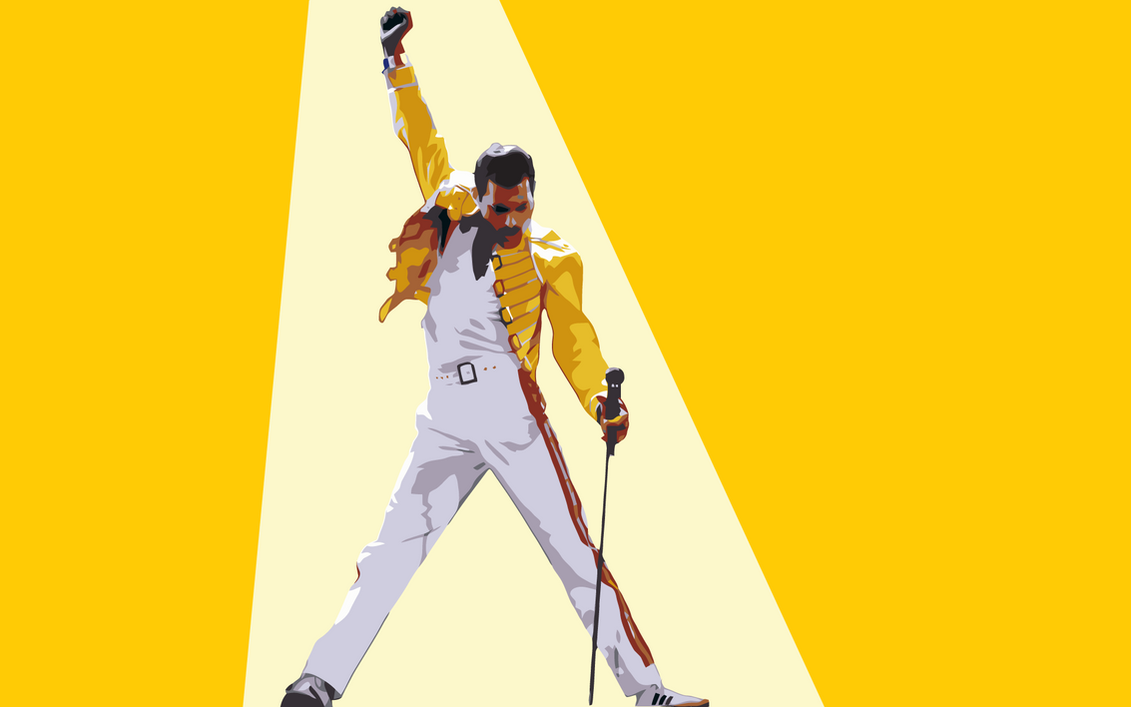
Ruka podignuta visoko uvis. Ruka u pesnici. Fredi kakvog ga pamtiš. Fredi sa Vemblija 1986, do skoro rekordnog niza koncerata. Stotina hiljada ljudi koji pevaju sa njim. Za njega. Superstara. Boga na bini.


Ali Bog nije smrtan. Fredi jeste. Znao je to  i pre one najgore dijagnoze. Predosećao je. Stavio u „Who wants to live forever”, još jedan „Gorštakov” dragulj. Jednu od retkih depresivnih pesama koje je „kraljica” napisala za svoje dve decenije postojanja. To ipak nije bio njihov manir.

Oni su bili puni života. Brzi. Trkači. Koji jure naglavačke napred. U neku sjajniju budućnost. Utopiju. U neponovljivo čudo pozitivne energije. Neumorne pozitivne energije. Koju bolest i odlazak na večni počinak mogu samo da uspore, ali ne i da zaustave. Čak i u toj tmini, mesta za humor i ironiju mora biti.

Čak i kad lagano klizite u ludilo. U urnebesni spot, teške šminke koje skrivaju tešku realnost.

Virtuelnu realnost sveta kompjutera i igrica. U Dikonov nikad bolji bas, nikad moćnije međusobne najave članove benda i nezaustavljivi vokal i gitaru preko pouzdane ritam sekcije. U nevidljivu, ali još uvek moćnu „kraljicu”.

Spremnu da sačeka i poslednji udar čekića i gašenje svetala. Oproštaj od dragih ljudi, porodice, prijatelja.

A prijatelji će uvek biti prijatelji. U dobru i u zlu. Kao i publika kojoj se Fredi toliko nesebično davao do samog kraja. I koja je uzvraćala tu energiju nazad i činiće to dok bude sveta, jer je energija večita. Neuništiva. Može da menja oblike, prostorno-vremenske dimenzije, ali ne i da nestane.

Šou će morati da se nastavi. Negde, nekako, ali će morati. I kao ni ova kompilacija neće to učiniti najtužnijom pesmom ikada. Ne da Fredi patetici da prevlada. Ne daju to ni Brajan, Džon i Rodžer. Zato i stavljaju još jednu numeru na kraj.

Jednu viziju. Jednu utopiju. Poslednji paket pozitivne energije za rastanak. Privremeni.

Jer, crnu i teget „kraljicu” ne zaboravljate nikad. Možete je skrajnuti u drugi plan, ali će ona uvek biti tu. Raskošna, glamurozna, neugasiva kao njena srž koja i dve decenije nakon nestanka njene najsjajnije ćelije sija istom snagom.

Istom ENERGIJOM.


понедељак, 14. март 2016.

THIS IS OUR LAST DANCE


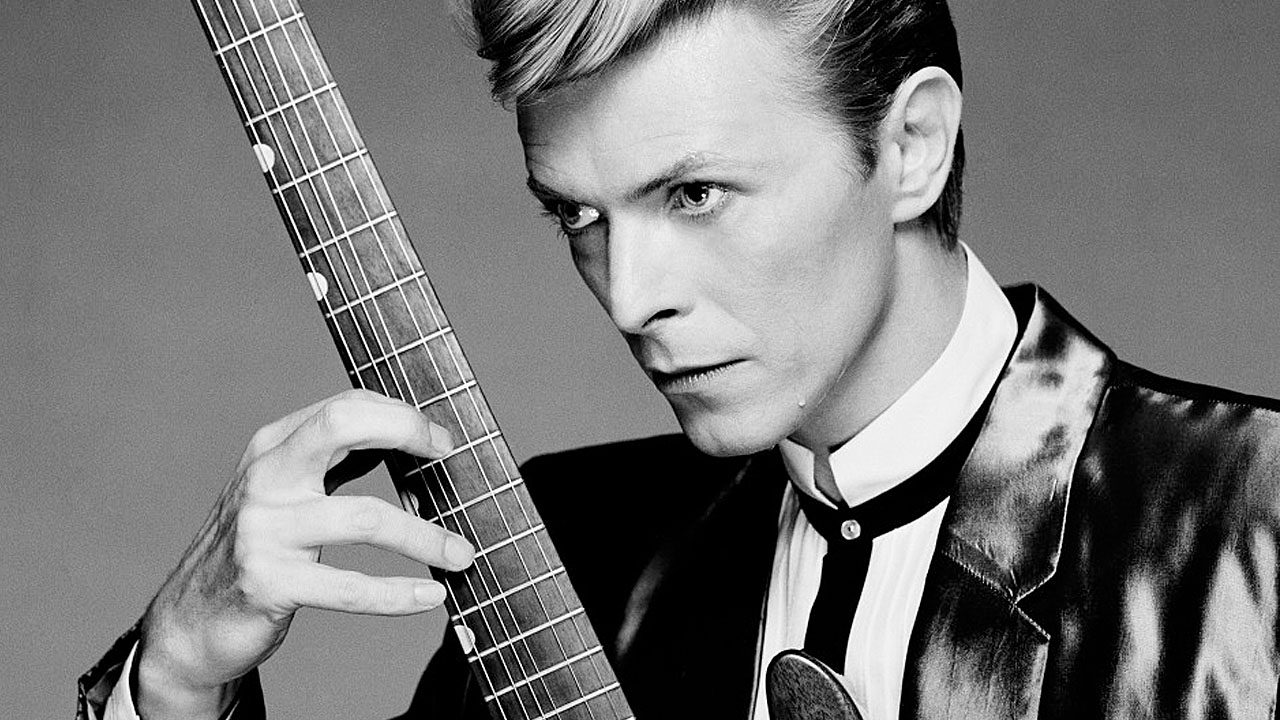
Rough night. Restless. Difficult morning. The first one without Bowie. On this planet, at least. 
Two blogs written, both of them erased. Nothing is good enough. Worthy enough.
The first colossus that leaves during my mature age deserves more. Better.
He deserves music. Lots of music. Bowie's music.
God bless fast download. Compilation from 2014, „Nothing has changed”. It's not important how it's called. It's important that it contains as many song as possible. From the entire career. Not counting the sinister „Blackstar”, published just three days before his death.
What an exit! Worthy of a legend. New album against mortality. From studio to grave.
No, don't go there, you'll get mushy early in the morning. Go back to music. Sit in your car. Travel from your village to the city, like any other day. Step on the throttle. Feed your soul. Play the compilation.


New stuff goes first. Still good, although not on „his” level. But these are all „his” songs! So different from anything that's being recorded these days.
„Sue”. Sick. Seven and a half minute non-listenable intermezzo. In your face, Lady Gaga! Miley Cyrus. Bitch, please! It's well known who has always been and who will always be the biggest freak on the world music scene.
„Where are we now?” What an homage to Berlin. Bowie and Berlin. An artist in an artistic town. Him, Iggy Pop, Depeche, U2 (before turning into compost), R.E.M. What a string. Started with Bowie.
„Stars are out tonight”. Top song. Top video. Michael Jackson invented music videos. Bowie raised them to an art form. It's not for everybody. Bowie isn't for everybody. It's always been like that. And it'll always be. Starting from today.
No. No tears. Drive on. Fast forward through lesser known songs. There will be time for them too, but not today.
Give it to me! Trent fuckin' Reznor. „I'm afraid of Americans”. Me too, David. Me too. What a video. What a duo. Man, he inspired so many great people. Funny how I inspired someone who inspired me.
No, no, no. You won't be going there. Not a word on Freddie. Go back to Bowie.
Trashy '90s. „Hello Spaceboy”. Pet shop boys. Fascination with outer space, astronauts. Bowie came from outer space. Or at least he was an astronaut in some of his previous lives. Anyhow, he wasn't attached to this ol' rock orbiting around the Sun.
Because nobody coming from this planet could write the kind of song with which he enetered your life, via MTV, way back in 1993. Percussions. Pissed off electro beat. Orvelesque video. „Jump they say”. When you're 12, this can be a frightening experience, but also an extraordinary impulse to start researching the „Bowie phenomenon”.
Bowie stands for the '80s. Your decade. The best decade. Decade from CD2.
Change the folder. Shift the gearbox. You're entering the town. Your town.


„Absolute beginners”. Patsy Kensit. Back when you still preferred blondes. Trash movie. Perfect soundtrack. Just like „Cat people”. Music and film. Art. Bowie.
Bowie and Jagger. Aaaaaa!
„Dancing in the street”. Giants, next to each other. Sweet pop cover from some past decades. Doesn't matter. What matters is that they're together. Just like in a famous rumor. In a totally strange way that rises the entire thing to a higher level. Just like Angie Bowie from legendary „Angie”.
„Stones”. There goes one of your generation. One of the indestructibles. Keith Richards, David Bowie and Iggy Pop all looked like they survived the nuclear Holocaust. And they looked like they could survive another one. Apparently one of them couldn't. The biggest chameleon in music world is mortal after all. The Cat. With different eyes.
Halt!Good stuff is yet to come. Your stuff. „Normal” Bowie. If there was ever one.
„This is not America”. A more peaceful intermezzo for a couple of traffic lights. Let's go on, speeding up. You're in a boulevard.
„Blue Jean”. That's it. Non commercial. Melodical. Pop, but not mainstream. Like Depeche, your favorites. He inspired them too. Just like everybody else.
And then it starts. THE combo. Three songs. Back to back. Mega hits. Album „Let’s dance”. 1983. You were still in diapers, so you could not listen to it live. Retroactive discovery of everything that inspired you. Retroactive life. Retroactive country.
But the music was there. And it always has been. Your escape from this world. Your space capsule. Bowie's space capsule.
„Modern love”. Modern world. David’s world. What a monster hit. Chartbreaker. Makes you want to move. To swivel your arms in the car seat. People from other cars are laughing at you. You don't give a fuck. They laughed at Bowie, too.
You never have. You've always loved him. In some strange way, but you loved him. And you still do.
And how could you not love him when the title track from his best album ever starts? „Let's dance”. No one will ever play that outwordly guitar riff like Stevie Ray Vaughn. Nor produce the best diamond single like Nile Rodgers. What a crew. What a song.
Some more great people are about to follow. More great songs yet to come. „China girl”. Better than Iggy's. Baritone. Natural charmer. Entrance to the '70s. 
Berlin era. Bowie's era. Some history making. Entire music industry evolving. All aboard the time machine! Destination: 23rd century!
„Fashion”. From 35 fuckin' years ago! Song from the future. Man from the future. Time traveler. Rewriting history.
Up until yesterday.
Huh!


„Ashes to ashes”. Another gem from the time machine. I would send it via „Voyager” to travel across the Solar system. As a message to the aliens. Hey, we've got one of your own here! And he's a magnificent specimen.
Was. Is. Will be. Forever. And ever.
Like HIM. Ta-ta-ta-tata-tata-ta. Deacon's bass. Rodger's drums. Bryan May's clean guitar. And yes, Freddie's tenor.
„Under pressure”. Queen and Bowie. Can it possibly be better than that? No, it can't. And it'll never be.
Bowie knows that as well. Hence that moving tribute to Freddie on Wembley.
Wipe away those tears. Get your eyes on the road. You'll get yourself killed. You can't do that.
There's so much music to listen to. Teach the new generations. Give them the answer to a million dollar question:
„Who's the best frontman ever?”
Farrokh Bulsara. Yes, Freddie. The one, the only. Inimitable. Gone too soon for you to be his contemporary.
But Bowie hasn't. You were lucky. He was there for your coming of age. To hold your hand when you were weak and prone to bad influences. But you never stood a chance. Not with your elder brother. Not with your parents. They saw him at his peak, at the very end of '70s. Tall, skinny homosexual, as described by your conservative father.
But, what a tall, skinny homosexual!
I wish I could swim. Like dolphins can swim. „Heroes”. A song that deserves a separate blog. Song for all eternity. David's best song. Dedicated to Berlin wall. Used in the movies countless times, but never as effective as in „Perks of being a wallflower”. Emma Watson, Logan Lerman, Ezra Miller. Wonderful kids. In a wonderful film. In a wonderful scene in the tunnel. Bowie's help to the new generations. To get themselves together. To rise up. However reclusive, misunderstood and weird they are.
Weirdo. That's Bowie alright. Not rock, nor pop, but Bowie. Not homo, nor hetero. Bowie.
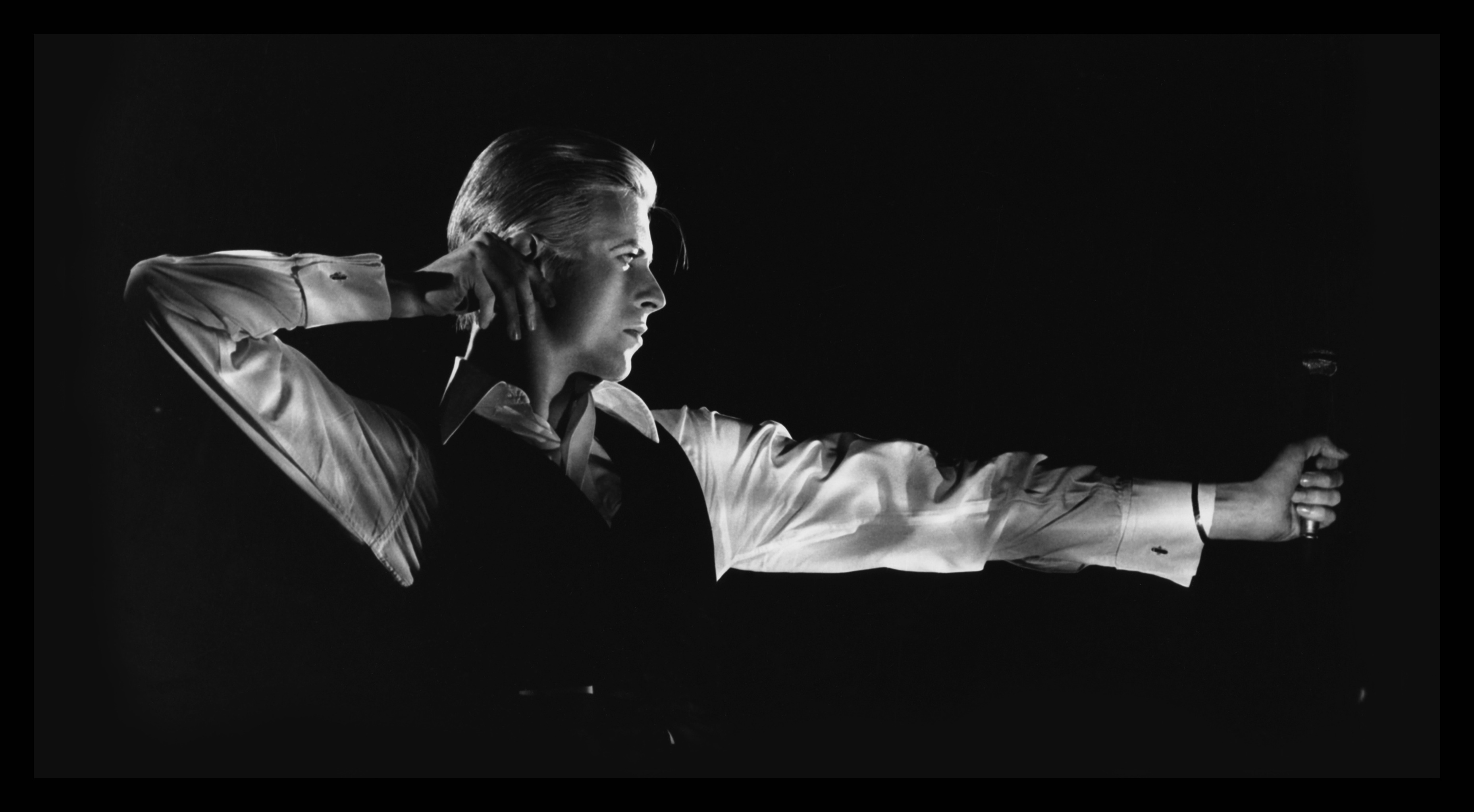
A visionary. With a capital „V”. Visionary of sound and vision. But a plethora of imaginary characters as well.
Like Thin White Duke. Interwoven with vices. All kinds of vices. Living on the maximum. Afterburn. No backup, no withholding anything. As Billy Idol would say: „Even if I got AIDS, it was worthy it.”
And it sure as hell was.


Compressing years into days, not months. „Golden years”. Hippy style. This song is loved even by techno maniacs. Everybody loves Bowie. Whatever they listen to, they know that he was one of the rare clean sources.
And the source gave us only high quality stuff in those years.
„Fame”. The songs are getting more and more eternal. How did that sound back in 1975? Co-written with Lennon. He has reached The Beatles as well. What's Clapton to blues, Bowie's in pop and alternative music. A man everybody desired to work with, even just for a little while. Eric has mourned him on „face” also. Who hasn't? All the great ones have.
You are as big as how many people you've touched during your lifetime. And David has touched millions. Thousands of them geniuses.
A tear rolls down the cheek. Tears. Swallow them. You must. A couple more turns and you're there. A couple more songs and the compilation will be over.
Songs are speeding up. To the speed of light. To Ziggy Stardust.

PHOTO: www.rtvbn.com

You never loved that phase. Visually repellent, too aggressive. Too weird, even for Bowie's standards. On the other hand, riffs of „Rebel, rebel” and the atmosphere of „Sorrow” continued to change the face of 1970s mainstream. With „Ziggy Stardust” and „Changes” the icon of all weirdos and misfits from the margin was born. A Messiah for the ones from „the edge of the light”. A creature from the other planet for uptight Englishmen and the entire music establishment.
Maybe Bowie was an alien after all. Some modern interpretation of monolith from „Space Odyssey”. Superior intelligence sent to upgrade us a civilization. That would explain a lot of things in his music career. Just like daltonism earned during the fight with his best friend over a girl in which he almost lost his eye would explain a lot of his outfits.
Maybe that fascination with outer space and astronauts was just a primary purpose of the being we learned to love during the years under the name of David Bowie. The being that has never sold us.
Maybe our „Starman” from „Life on Mars?” actually represented version 1.0 of David Robert Jones.
Maybe Major Tom reached us with his sapcecraft from „Space oddity”.
Maybe that Major Tom was actually Major Bowie.
And maybe he, like Rutger Hauer in „Bladerunner” simply reached the end of his life cycle, finally becoming ready to step through that door on that January the 11th 2016 and speak to ground control for one last time.
To tell us that everything is all right and that we can continue on our own from this moment on, despite the termination of his mission among us.
That he doesn't know what that place he is going to looks like, but that it will definitely be interesting.
That we can continue to listen to him broadcasting on all frequencies for as long as there is juice in his batteries, enabling him to send his message to all the civilizations that may be listening.
That we shouldn't mourn over him, but celebrate the privilege of being his contemporaries.
That we should teach our children things he taught us. And that our children should tech their children the same.
That we are, as Logan Lerman's character says in „Perks of being a wallflower”, all eternal.
But we know that we aren't.
Unlike you.
Mr. Bowie.
You arrived.
Turn off the engine. Secure the vehicle. Turn off the player.
Let he tears flow.
You deserved it.
And so did Mr. Bowie.
Wherever he may be right now.


SIMILAR:


уторак, 11. март 2014.

M(J)UZE

O poslednjem velikom rokenrol bendu


Jeste, pogrešio sam. Loše sam procenio. Nisam bio na pravom mestu u pravo vreme.

Nisam otišao na koncert „Mjuza” u beogradskoj „Areni” u oktobru 2007.

Slaba uteha mi je činjenica da je to učinilo svega par hiljada ljudi. Slaba, jer sad više nema nazad. Sad moram da čekam i možda ću čekati dugo. Jer, za razliku od svesti naše publike, u koju ubrajam i sebe, ovaj britanski sastav je u međuvremenu žestoko izmutirao i narastao do statusa megabenda. Toga smo svi postali bolno svesni kada je internetom procureo snimak njihovog spektakularnog koncerta na Olimpijskom stadionu u Rimu u leto 2013. Rasprodatom. Pred više od 60.000 ljudi. Šezdeset. Hiljada.

Šta se to, dođavola desilo za ovih sedam godina? I kako?

Odgovor na to leži u samim korenima ovog, po svemu specifičnog ostrvskog benda. Nastao na prelazu vekova, „Mjuz” je hvatao poslednje vozove umirućeg brit-popa devedesetih. Idejno čedo gitariste i vokala Metjua Belamija, od samog starta bio je baziran na formi rokenrol trojke (gitara, bas i bubanj), ali je stilski izmicao definiciji i žanrovskom svrstavanju. Alternativni miks za koji su se odlučili na početku karijere im je doneo malobrojnu, ali izuzetno privrženu publiku, koja je u unjkavom  Belamijevom vokalu maskiranom između metalskih gitara i indastrijal ritam sekcije prepoznala ono najvrednije u muzici. Melodiju.

A nju nije bilo nimalo lako pronaći na „Mjuzova” prva dva albuma, „Showbiz” i „Origin of symmetry”. Ako je prvi bio upoznavanje preko opskurnih  „Uno” i „Sunburn”, te elegične „Unintended”, drugi je doneo delimičnu komercijalizaciju zvuka sa „Plug-in baby” i „New born”. Aranžmani su bili mračni, ali više stidljivi nego istinski depresivni. Energija se skrivala i otpuštala samo u refrenima ili pokojem rifu. Pošto je kultni andergraund status bio obezbeđen, došlo je vreme za proboj i na veću scenu. Sudbonosnim trećim albumom.

„Absolution” je bio pun pogodak, naglo šireći publiku i fokus benda mirnijom produkcijom i pevljivijim singlovima. Patetika je ostala tu kao zaštitni znak benda, ali je ona sada bila daleko prijemčivija preko „Hysteria”, „Time is running out” i „Stockholm syndrome”. Ljubitelji balada su dobili svoje parče nosača zvuka sa „Sing for absolution”, dok je „Butteflies and hurricanes” bila svojevrstan prelaz između brzih i sporih numera. I možda upravo ta reč najbolje i definiše „Mjuz” kao bend.

Prelaz.

Prelaz između stilova. Prelaz između era. Između starog i novog.

Iako de fakto rokenrol bend, „Mjuz” se ne ne libe gitarskih efekata, elektronike, matrice, procesora na glasu, ali ni teatralnosti ni glam imidža. Rečnikom muzičkih kritičara, alternativa. I oni su sredinom prve decenije ovog veka upravo to i bili. Alternativa hausu i tehnu sa jedne i ljigavom popu i reciklaži hitova sa druge strane. Ni sami se nisu ustručavali da pozajmljuju. U njima ste mogli, ali i dalje možete da čujete ehoe ranog „U2” i „Radiohead”, zrelog „Depeche Mode” i poznog „Queena”. Oni koji ne vole previše ovaj bend će reći će da su oni samo interpretatori tuđih stilova i aranžmana. Oni koji ih cene reći će da oni ukrštanjem stilova prave svoj izraz i modernu muziku za 21. vek. Istina je verovatno kao i uvek do sada, negde na sredini. A baš na toj sredini je i čvrsto uverenje stručne javnosti da su u pitanju vrsni muzičari, majstori svog zanata i jedan od najusviranijih bendova današnjice.

A da ti sjajni muzičari znaju da prave i hitove, najbolje govori njihov četvrti album, „Black holes and revelations”. Kočnica više nije bilo i desetine hiljada ljudi hrle da čuju pet potpuno žanrovski različitih singlova sa tog nosača zvuka uživo. Šizofreni „Supermassive black hole”, epski „Knights of Cydonia”, elektronski „Map of the problematique” i prave, pravcate pop hitove „Invincible” i „Starlight”. Na talasu velike popularnosti koju su dodatno pojačali efektni spotovi, Belami, Volstenholm i Hauard kreću na najveću turneju do tog trenutka. U okviru promocije svoje muzike uživo stići će i do Beograda. Naša publika nije prepoznala trenutak i ostala je uskraćena za njihov koktel pozitivne energije, usviranosti i raskošne produkcije. Što je Srbija propustila, svet nije, dokumentujući uspon jednog velikog benda na lajv nosaču zvuka sa „HAARP” turneje.

Iako je medijska aždaja bila spremna da proguta englesku trojku, željna pravog rokenrola nakon skoro dve decenije koliko je prošlo vrhunca dinosaurusa osamdesetih, „Mjuz” tada pravi možda i ključni korak ka statusu velikog benda, vešto izbegavajući zamku dodvoravanja svima. „Resistance” jeste komercijalan, ali je i dalje kvalitetan. Jeste osvojio „Gremija”, ali se nije vrteo po diskotekama. I iznad svega, prodavao se odlično. Novac više nije bio problem i produkcija za turneju nadilazi sve dotad viđeno. Pored iskoraka u smislu vizuelnog identiteta, tekstovi postaju još britkiji i socijalno angažovani. „Uprising” i „Resistance” vraćaju bunt na veliku scenu prvi put od kraja osamdesetih i čine to propraćeni klasičnim rokenrol uticajima i tako svežom „Undisclosed desires”. Energija preliva iz zvučnika, terajući mase na koncertima da skaču, a one pedantne da traže tekstove po internetu i uče ih napamet. Nešto što je publika skoro zaboravila u eri instant pop đubreta bez smisla i poruke.

Belami se ne zadovoljava statusom božanstva do kojeg je došao, već svoju trojku gura još dalje, šestim i za sada poslednjim albumom, „2nd law”, otvarajući Olimpijadu u Londonu sa pomalo nespretnom „Survival”. Međutim, prvi utisak se menja sa izlaskom čitavog nosača zvuka, jer je dah 22. veka još uvek tu („Panic station”,  „Supremacy” i „Madness”). Fanovi mogu da odahnu od konstantne fobije prekomercijalizacije i da se još jednom upute na mamutsku turneju, potvrđujući time „Mjuzu” status megabenda.

Jer, oni su postali upravo to. Megabend. Na vrhuncu kreativne moći, u najboljim godinama, pišu sjajnu muziku i tekstove, prodaju milione ploča širom sveta i pune najveće hale i stadione gde god da se pojave. I čine to svirajući rokenrol. I kao i sve progresivno u muzici, dolaze iz Engleske.

Nadamo se da će još dugo ostati takvi i toliki i da će se konstantno menjati i evoluirati u nešto sveže i zanimljivo.

I da će i meni, kao i mnogima koji su ih u međuvremenu „svarili”, omogućiti da ih ipak vidimo uživo i u našem gradu.

U prepunoj beogradskoj „Areni”.


SLIČNE TEME:
ŽIVOT POČINJE U PEDESETOJ
NAMERNO PRISTUPAČNE MEMORIJE
DEPEŠ MAŠINA